
Reasons to Visit Tanzania For Safaris
Reasons to witness Wildebeest Migration Safari in Tanzania
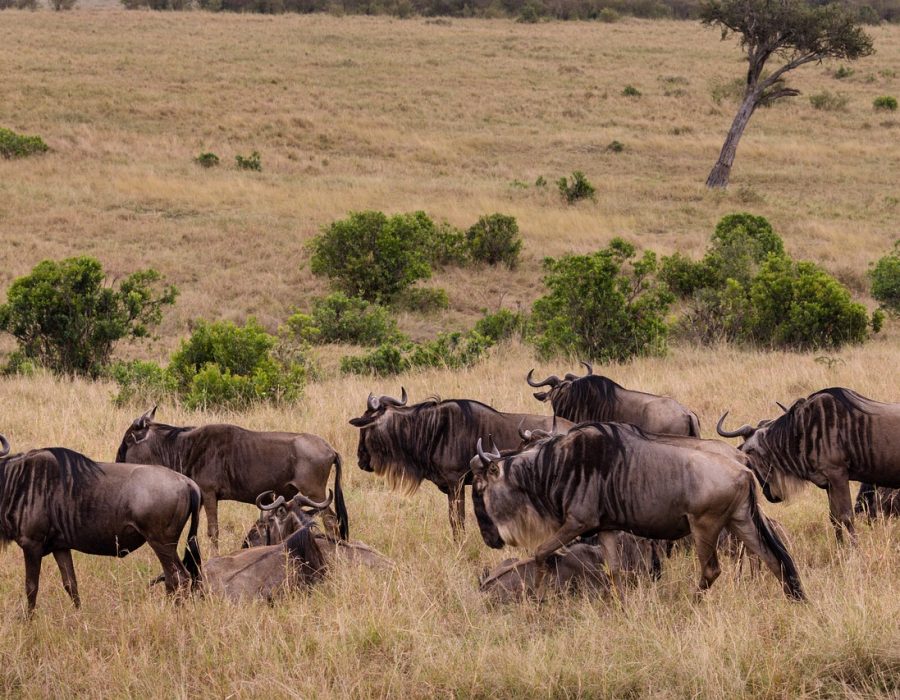
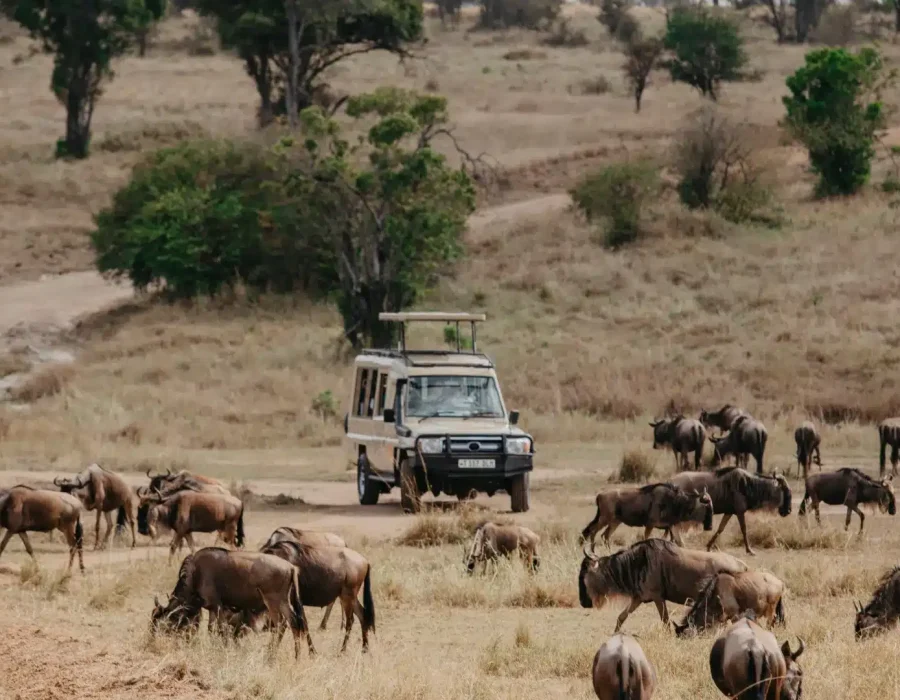
The Great Wildebeest Migration is one of the most iconic wildlife spectacles on Earth, a rhythmic, circular journey of survival that spans the plains of Tanzania and Kenya. At its heart, it’s a story of life, death, and instinct, as over 1.5 million wildebeests, accompanied by hundreds of thousands of zebras and gazelles, move in search of greener pastures and water, dictated entirely by the rains. While the migration crosses national borders, it is Tanzania that hosts the lion’s share of this dramatic movement, offering travelers a front row seat to nature’s most awe-inspiring procession across the vast and beautiful Serengeti ecosystem.
The migration follows an annual clockwise route and is driven by seasonal rain patterns. This massive movement spans roughly 1,800 miles (3,000 kilometers) each year and is critical to the health of the Serengeti-Mara ecosystem. The herds are constantly on the move, responding to rainfall and the resulting flush of new grass. In the process, they fertilize the soil, sustain predators, and provide a food chain that balances the savanna ecosystem. Every stage of the migration, whether calving in the south, river crossings in the west and north, or mating season, offers distinct and unforgettable wildlife experiences.
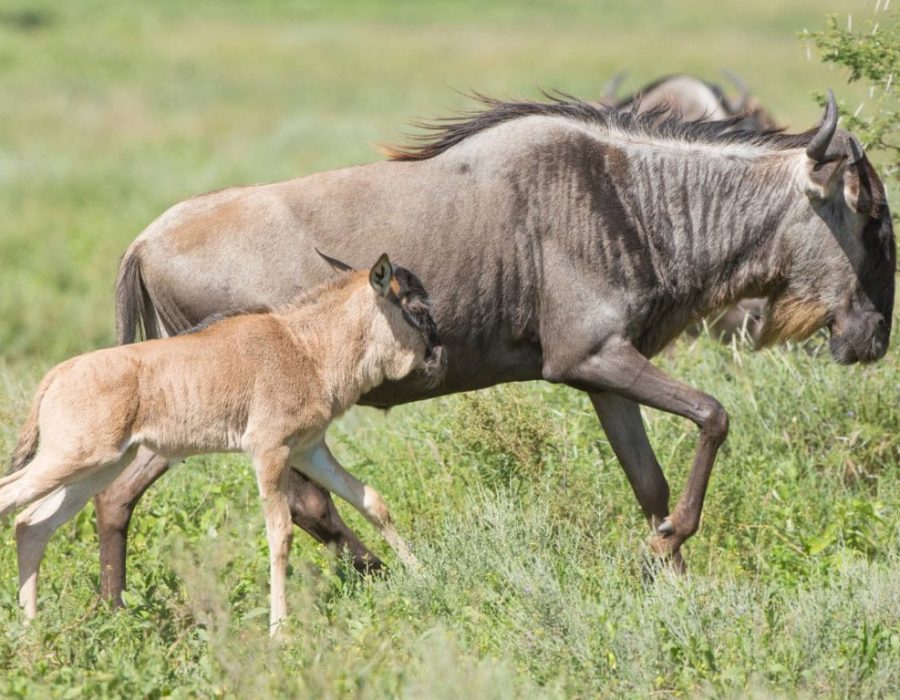
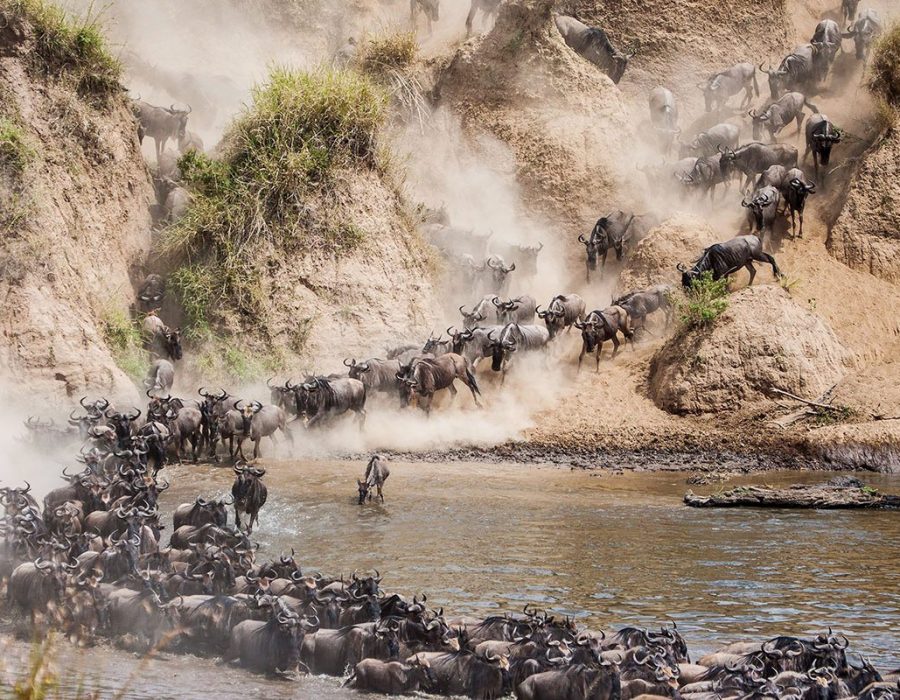
From the wildebeest calving season in Ndutu to the dramatic river crossings in Grumeti and the Mara, Tanzania showcases the full emotional spectrum of the migration. In the south, vast short grass plains serve as birthing grounds, where tens of thousands of calves are born in just a few weeks. In the west, powerful crocodiles lurk beneath muddy riverbanks as herds cross the Grumeti River. Further north, the famed Mara River crossings become life or death gauntlets as wildebeests leap into the current, pursued by predators from above and below. And as the dry season ends, the herds make their way back south, completing the cycle.
For visitors, timing and location are everything. From January to March, the herds are in the southern Serengeti and Ndutu region, ideal for witnessing calving and predator-prey interactions. From May to June, the migration passes through the Western Corridor, with the Grumeti River crossings and the wildebeest mating season. Between July and October, the herds cluster in the northern Serengeti, offering a chance to witness the legendary Mara River crossings, with heart racing scenes of panic, chaos, and survival. And by November and December, the rains pull the herds back into Tanzania, where the plains of Ndutu once again come alive with fresh life.
No two years are exactly the same, as rainfall and climate variations shift the timing slightly, but the cycle remains constant. For those seeking to witness the full story of the migration, Tanzania offers a near year round opportunity, with fewer crowds than Kenya’s Maasai Mara and a broader range of experiences, ideal for immersive safari adventures. Whether you’re a first time safari-goer or a seasoned wildlife photographer, the wildebeest migration in Tanzania promises raw, untamed Africa at its most majestic.
What Drives the Wildebeest Migration in Tanzania?
How the wildebeest migration happens in Tanzania
At the core of the Great Wildebeest Migration is a simple but powerful force: the search for water and fresh grazing. The herds move in response to the shifting seasonal rains, which trigger the growth of nutrient rich grass across the Serengeti-Mara ecosystem. This instinctual movement ensures survival not just for the wildebeests, but for countless other species that depend on them. From predators like lions and hyenas to scavengers and even plant life, the entire ecosystem pulses with the rhythm of the migration.
Unlike migrations driven by cold or breeding cycles alone, the wildebeest migration is a dynamic, rain driven loop that’s always in motion. The herds do not migrate in a strict line or all at once. Instead, they spread out across vast areas and follow rain patterns with surprising precision, using their acute sense of smell and environmental awareness. When rains fall and fresh grass begins to grow, the herds begin to move, often covering tens of kilometers in a single day.
This movement is not chaotic, it is cyclical and strategic, shaped by centuries of instinctual memory. Calving occurs in the south, where open plains offer visibility and rich grasses to nourish pregnant females. River crossings occur in the west and north, where access to water is vital but perilous due to predators and crocodiles. The return south is timed with the short rains, ensuring the next generation has access to life sustaining vegetation.
In essence, the Great Migration is more than just an annual journey, it’s a living lifeline for the ecosystem. The wildebeests act as ecosystem engineers, trampling grass to stimulate growth, fertilizing soil with their droppings, and feeding predators along the way. Their movement patterns help maintain balance across thousands of square kilometers, making this one of the most important and interconnected wildlife phenomena on Earth.
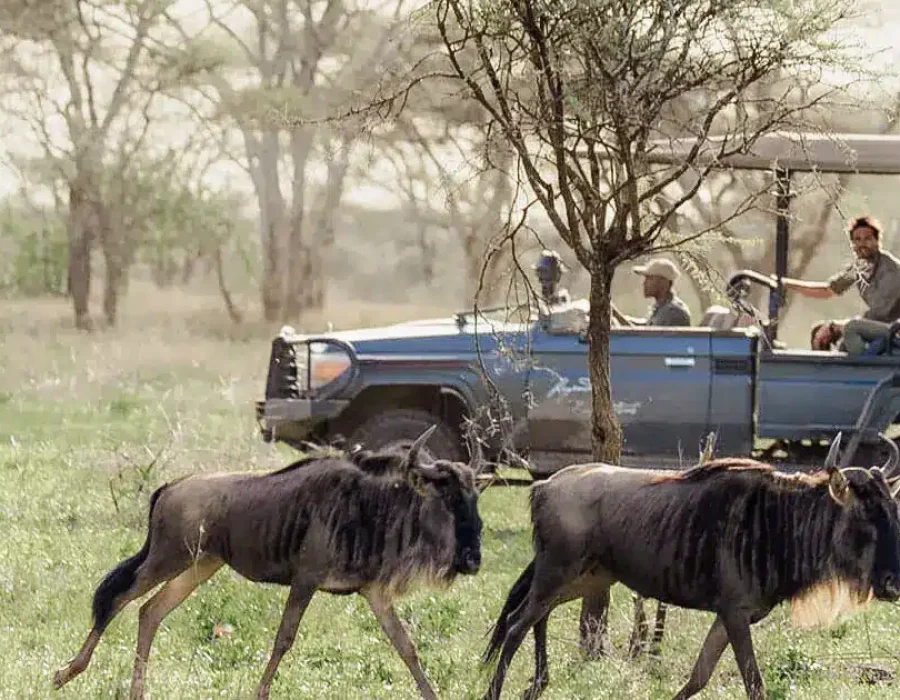
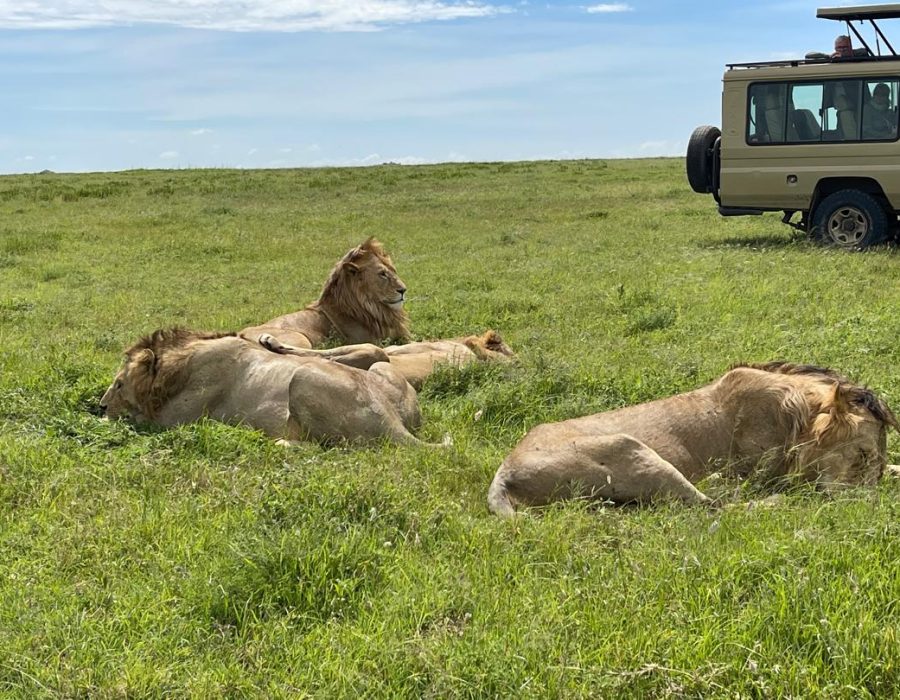
Month to Month Tanzania Wildebeest Migration Guide
Seasonal Guide to Plan for a Tanzania Great Migration Safari
Wildebeest Migration in the Serengeti is believed to start in the South, from a region known as the Ndutu Conservation Area that borders both the Serengeti to the south and the Ngorongoro Conservation Area to the East.
The reason why it’s believed to start here is when wildebeest calves are born and begin their adventurous lives. The Serengeti Migration Map shows a month-to-month guide of how it starts, all the way to how it ends.
January to March in 2026 and 2027
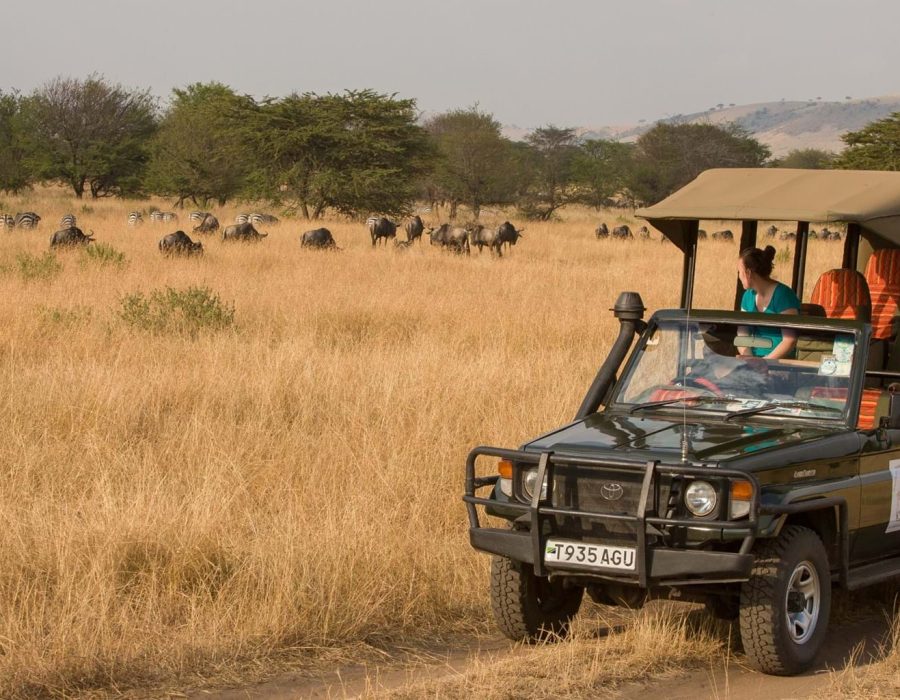
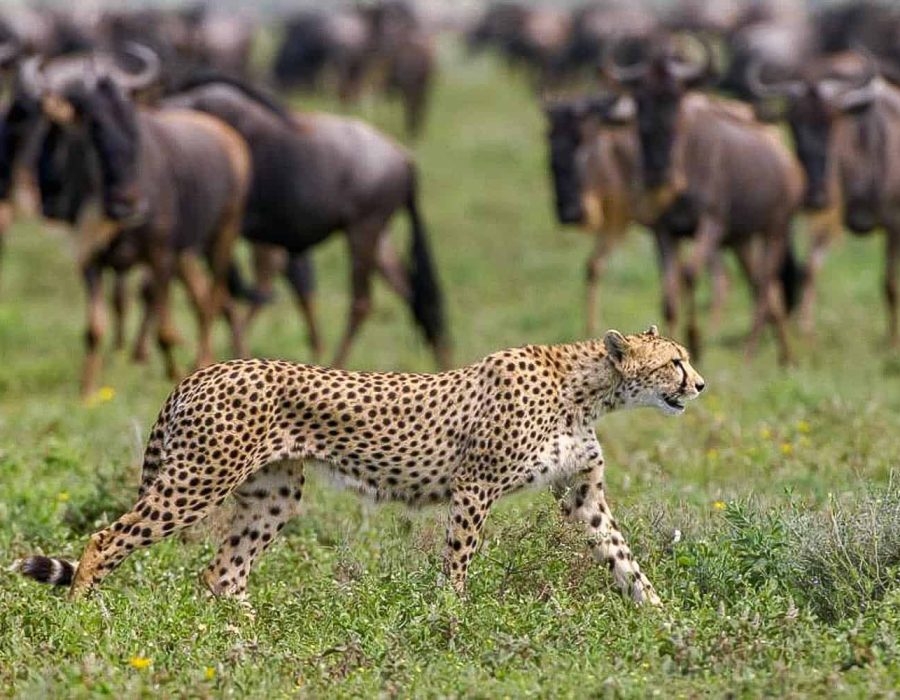
From January to March season is one of the perfect times we recommend you visit Tanzania for your safari. The presence of big cats and other game is abundant.
During this season, the wildebeest migration is in the Ndutu Conservation Area, where most of them have converged for their annual biological obligation, which is wildebeest calving or wildebeest birthing. The temperatures in Ndutu are favorable. They share the same as Serengeti National Park.
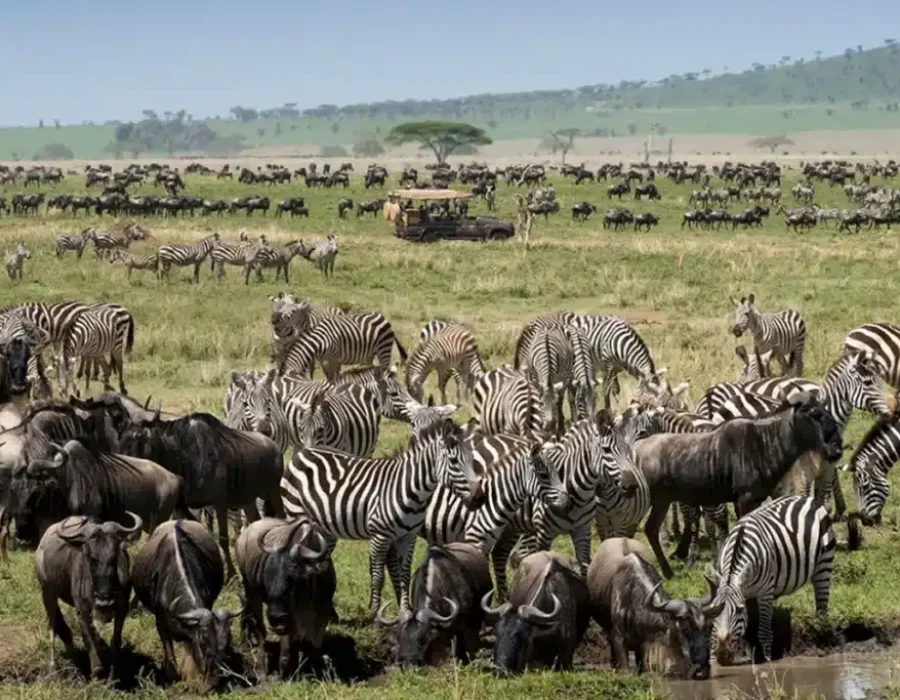
April to June location in 2026 and 2027
In the April to June season, Tanzania, like Kenya, experiences the long rains that start at the end of March or early April and last through the end of May or mid-June. These long rains affect so many safari destinations in Tanzania, such as the Serengeti, Ngorongoro, and Tarangire, due to either flooding or inaccessible roads.
It’s the perfect time if you are looking to just relax, enjoy the camps and lodges’ amenities and activities, with not much outdoor activities such as game drives. It’s also the perfect time to enjoy the slow travel slogan, as you will immerse into nature fully.
The wildebeest migration is still in Serengeti, moving upwards in Seronera and the upper Central Serengeti region. Follow our herdtracker app for more updates to track the wildebeest migration in real time.
July to October in 2026 and 2027
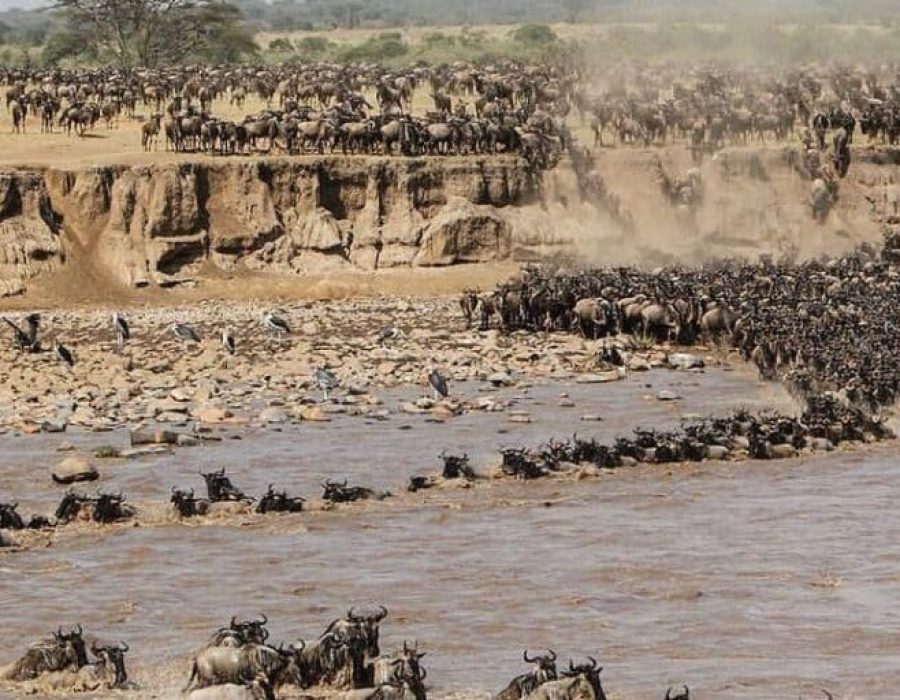
This is the most active season in Tanzania. July to October, often referred to as the peak season, offers the perfect time for wildebeest migration in the Serengeti, Tanzania, as well as the great migration crossings in the Mara River. The wildebeest starts coming in from the Serengeti through various crossing points into the Masai Mara Reserve.
This is the perfect time to visit Tanzania and enjoy the wildebeest migration as well as the big cats’ actions in almost all major national parks in Tanzania.
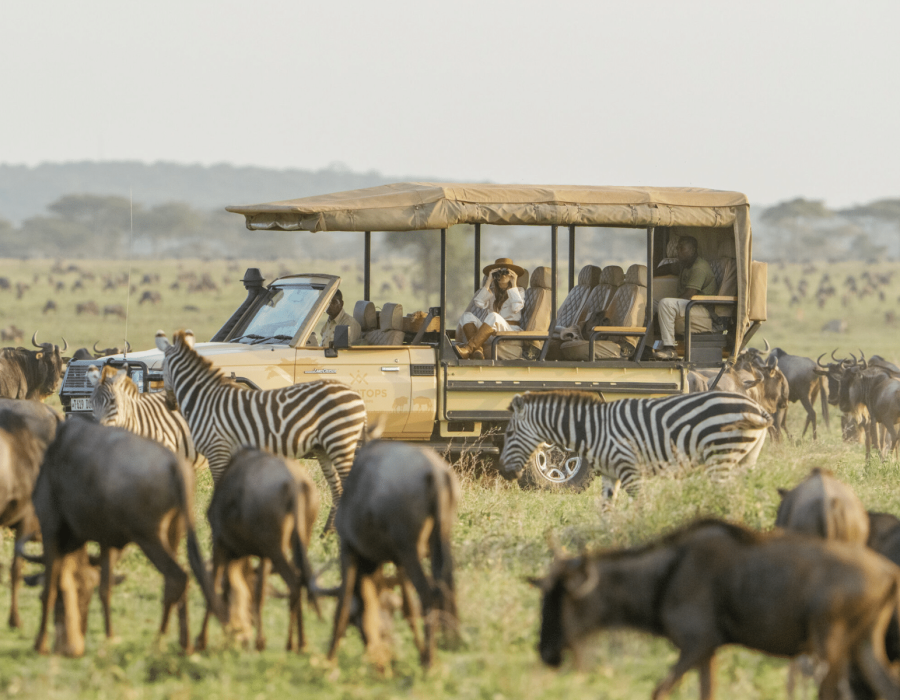
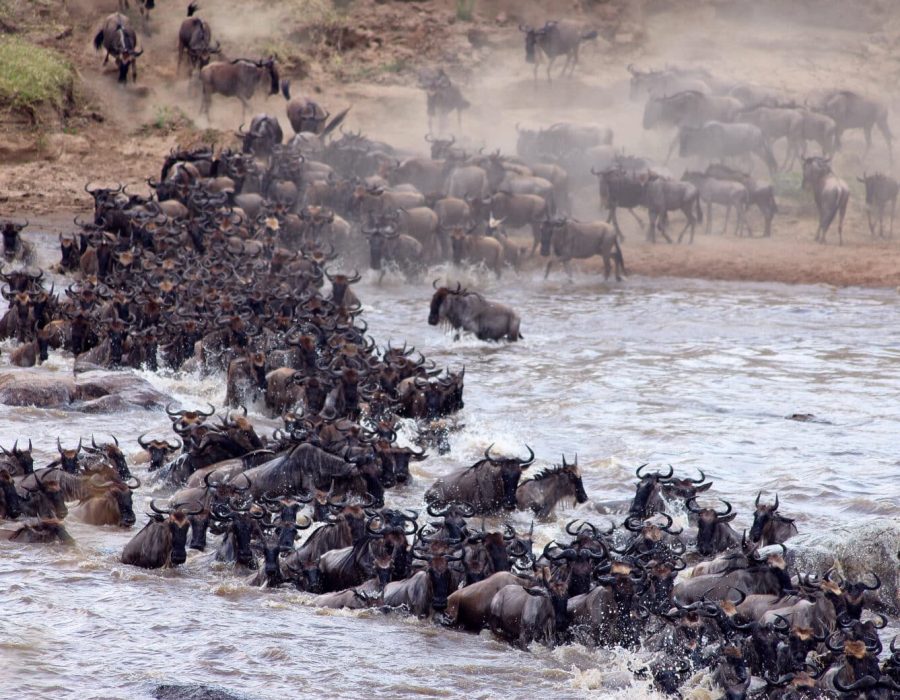
Best Places to visit in Tanzania for Safari
Top National Parks and destinations for safaris in Tanzania
Tanzania has some of amazing safari destinations you can visit apart from the Serengeti and Ngorongoro. We have highlighted some of the best places you can visit and combine with your wildebeest migration safari itinerary to explore and enjoy.

Serengeti South, also known as Southern Serengeti, is a spectacular region of endless short grass plains that stretch from Ndutu in Tanzania to the northern

The Ngorongoro Conservation Area (NCA) is a UNESCO World Heritage Site and one of Africa’s most spectacular wildlife destinations. Located in northern Tanzania, this vast,

Nyerere National Park, formerly part of the vast Selous Game Reserve, is the largest national park in Africa, covering over 30,000 square kilometers. Located in
Top Safari Camps and Lodges To stay in Tanzania
Understand the best time to witness the wildebeest migration in Tanzania
With its massive lands, Tanzania has quite a lot of national parks, with huge sizes, hence accommodating a lot of safari camps and lodges. We have highlighted some of the best places you can stay while on your Tanzania Safari. We have handpicked these accommodations and ensured they are perfect for our guests’ stay while on safari here.

Mwiba Lodge is an ultra luxury safari retreat located in the 129,530 acre Mwiba Wildlife Reserve, bordering the southern Serengeti in Tanzania. Perched atop ancient

Located in the heart of Serengeti National Park, Melia Serengeti Lodge has two floors with a terrace offering wonderful views. Enjoy lip-smacking delicacies and an

Serengeti View Camp offers a classic bush camp experience in two ideal wildlife locations within Tanzania’s iconic Serengeti National Park. One camp sits in the
Wildebeest Migration Safaris in Tanzania
Tanzania Wildebeest Migration Safaris and Tours
As far as a Tanzania wildebeest migration safari is concerned, you are guaranteed of the ultimate safari experience. From calving of wildebeests in January to March, all the way to the major dramatic crossings in Northern Serengeti.
We have curated some of the best safari packages for you, which can be curated and packaged to fit your preferences.

Experience one of Africa’s most breathtaking natural spectacles, the Great Wildebeest Migration, on this 7 day safari…

Embark on a 12 day adventure through Kenya’s most celebrated parks, from the rugged beauty of Samburu…
Embark on a 10 day Serengeti Migration Safari that captures the essence of Tanzania’s wilderness. From the…
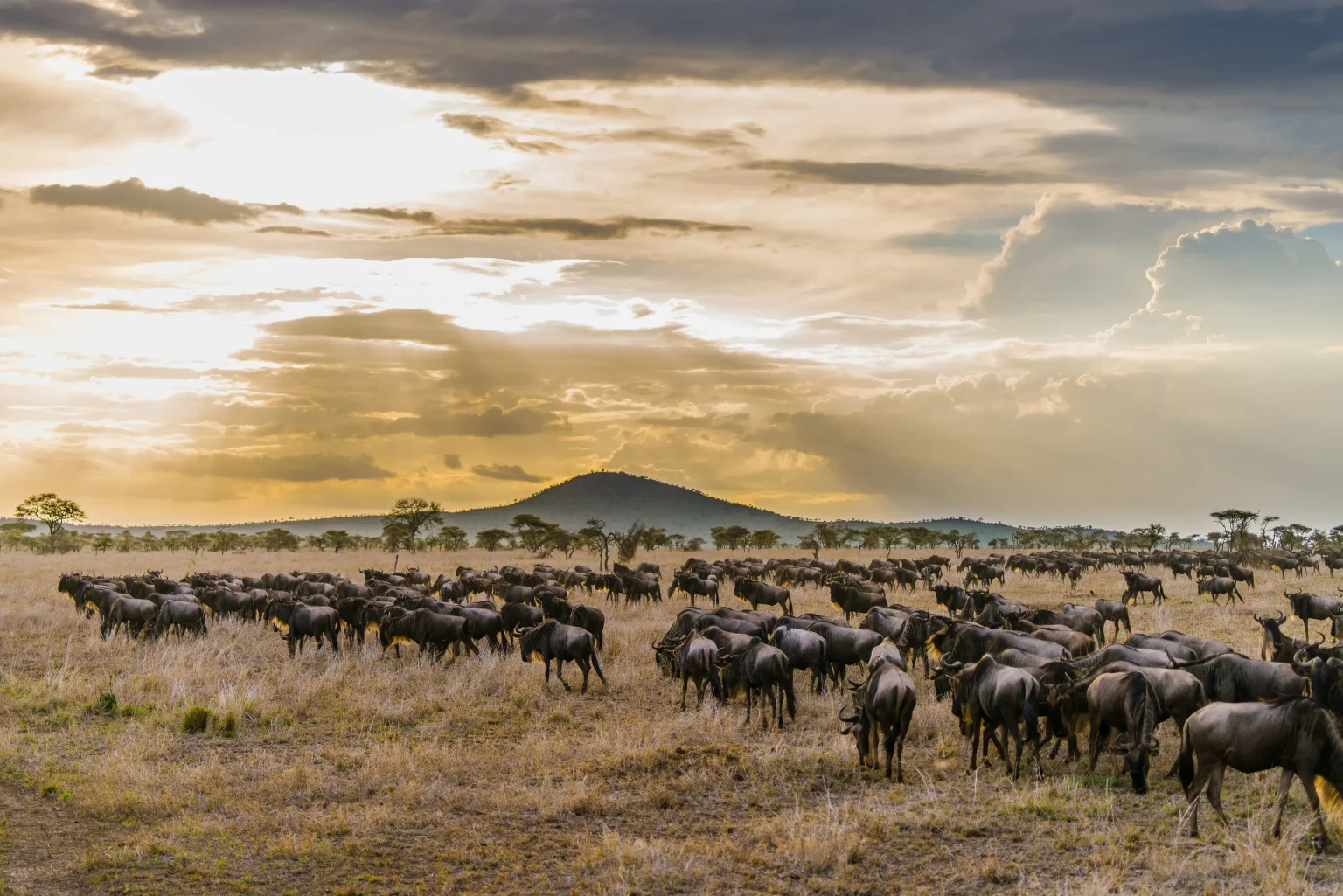
Experience 15 days of pure wilderness immersion across East Africa’s most iconic landscapes. This journey unites Kenya’s…

Explore Tanzania’s most iconic landscapes and wildlife havens on this 12 day Migration Safari. From the elephant…
Travel Tips for Migration Safaris in Tanzania
Safari Tips for a Tanzania Safari Holiday
Planning a safari to witness the Great Wildebeest Migration in Tanzania is a bucket list adventure, but it requires careful timing, logistics, and preparation. Whether you’re a first timer or a seasoned safari-goer, these expert travel tips will help you get the most out of your migration experience.
1. Time Your Safari According to What You Want to See
The migration isn’t a one time event, it’s a continuous movement with distinct phases. Choose your travel month based on the kind of experience you’re after:
Calving & Predator Drama: Visit Ndutu between January and March.
River Crossings: Plan for Grumeti (June) or Mara River (July to October).
Peaceful Grazing & Fewer Tourists: Consider the shoulder months of April, May, or November.
Always remember: the migration’s timing is influenced by rainfall, so no two years are exactly alike. Work with a knowledgeable safari operator to keep up with real time herd movements.
2. Choose Your Camp or Lodge Based on the Migration Route
Some accommodations are mobile and move with the herds (mobile camps), while others are permanent. Mobile camps offer prime positioning for migration hotspots but may lack luxury amenities. Permanent lodges, especially in central or northern Serengeti, offer comfort and consistency year-round.
Ask your tour operator:
“Will I be near the herds in this month?”
“Is this area good for game drives even if the herds are elsewhere?”
Proximity to the migration is key, don’t spend hours driving each day to reach the action.
3. Be Prepared for Predator Action
Wherever the migration goes, predators follow. Lions, cheetahs, hyenas, and leopards are particularly active during the calving season (Jan to Mar) and river crossing periods (Jul to Sept). These are also the best times for:
Photographers seeking high drama scenes
Filmmakers capturing intense wildlife interactions
Nature lovers who want to witness the raw struggle of survival
Just be aware: these moments can be intense and emotional.
4. Pack Smart for the Migration Safari
Your gear can make or break your safari experience. Here’s a migration, specific packing checklist:
Light layers for warm days and cool mornings/evenings
Neutral colored clothing (avoid white or bright colors)
Sun protection: hat, sunglasses, sunscreen
Binoculars for distant wildlife spotting
A good camera with zoom lens (200mm minimum)
Anti-dust covers for electronics (especially during dry months)
Rain gear for the wet seasons (Nov, Apr to May)
Comfortable walking shoes or boots
Also, always carry insect repellent, especially near the water or during wetter months.
5. Consider Combining Parks
While the Serengeti is the star, nearby parks can greatly enhance your safari:
Ngorongoro Crater: Ideal for a day trip from Ndutu; home to the Big Five and excellent game viewing.
Lake Manyara or Tarangire: Great pre-Serengeti stops with elephants, tree climbing lions, and diverse birdlife.
Ruaha or Nyerere (Southern Tanzania): For off the beaten path wildlife and fewer tourists.
A well planned circuit can offer the best of both worlds, migration action and varied safari experiences.
6. Travel Light but Be Flexible
Charter flights to Serengeti camps have strict luggage limits (usually 15kg in soft sided bags), so pack efficiently. More importantly, keep your itinerary flexible. Last minute updates to herd movements may call for a change in plans. Working with a reputable safari planner who tracks migration patterns daily is a huge plus.
7. Expect Peak Season Pricing and Book Early
The migration draws global attention, and camps fill up months in advance, especially from June to October. Prices are highest during river crossing months and Christmas season.
Book 6 to 12 months ahead for July to September trips
Look for deals in shoulder months (May, November)
Budget vs. luxury: Budget options exist (especially mobile camps), but private experiences come at a premium
A reputable operator can help match your budget to the best value camps for the migration route.
Why Book Your Tanzania Safaris With Wildebeest Sightings.
Book Your Tanzania Safari Holiday with Wildebeest Sightings
Wildebeest Sightings are experts in following and tracking wildebeest movements from Tanzania to Kenya. As they move, we locate and track their current location. We understand their movements in detail, with updates and current locations shared on our herdtracker app.
We are professionals in luxury safaris in Kenya and Tanzania. We offer authentic, well-customised and planned safaris across the Serengeti and the Masai Mara. We have partnered with some of the best wildebeest migration camps to bring you close to the real actions.
Safari Experts
Our Experts have broad, wide, and deep knowledge about wildebeest migration in Kenya and Tanzania. We follow and track the wildebeests, and hence, we have close knowledge of where and when to see them.
Financial Protection
We are regulated by the government of Kenya through the Tourism Regulatory Authority. We therefore guarantee secure and safe booking through Wildebeest Sightings.
Proffessional Guides
We have knowledgeable and professional safari guides, ready to take care of you while on safari. From flora and fauna to cultural immersions, they understand all the nitty gritties to make sure your trip is seamless.
Impactful Journeys
At Wildebeest Sightings, its not not only about the wildebeest migration, but we also work closely with impactful initiatives to support and promote sustainable tourism in East Africa.
Best Safari Tips and Travel Guide For Tanzania Safaris
Best Safari Tips and Guide planning your Tanzania Safari
We have made a list of travel guides for visiting Tanzania for the wildebeest migration. Know when the best time is, what you need to have, travel documentation, what to pack, and safety tips.
What to Pack for a Tanzania Wildebeest Migration Safari
When packing for your Tanzania wildebeest migration safari holiday, you will need to know that it’s recommended to pack lightly. Pack items that won’t make your safari tiresome. Light packaging helps you move easily from one safari destination to another. We have prepared a comprehensive Tanzania Safari Packing list to guide you through.
Best Time to visit Tanzania, and Best Time and climate or weather
It’s vital to know when it’s the best time to visit Tanzania, as well as understand if your preferred month of visiting is perfect for an amazing wildlife experience. There are months when it’s hot and dry, and there are months that is totaly wet and rainy. If you are planning to visit during the wildebeest migration, it’s important to know when the best time is to see the migration and crossings.
Documentation for travelling to Tanzania
Now that you have managed to plan and book your safari, it’s important to know that it’s legal, and find out what documents are required to visit Tanzania. You will need a valid eVisa, a passport that is more than 6 months old, and it is recommended to have a yellow fever vaccination.
Safety and Health While on Safari in Tanzania
This is most important, as you will need to know how safe Tanzania is, and also what you need to do when it gets uneasy. Safety is paramount to all of our guests, and we do our best to offer safety measures to all our guests when on game drives in parks, when driving on roads, and in our booked accommodations, or in case of any security threat.
In terms of health, we have made sure we have measures to manage our guests’ health conditions, but we advise our guests to share any of their health conditions so we can know how to handle incase anything happens.
Tanzania Safaris FAQs
Fequently Asked Questions
Find the most asked questions regarding the Tanzania Wildebeest Migration Safaris and the Great Migration in general.
Best time to Visit Tanzania For Safaris
The best time to visit Tanzania is between the month of July and October. Although we recommend visiting between January and March.
Best Month to see wildbeest Migration in Tanzania?
The best time to visit Tanzania for the wildebeest migration is between July and September. Huge herds migrate into the Masai Mara in these months.
What I need to Visit Tanzania for wildebeest migration?
To visit Kenya for safaris, you will need a valid passport that is 6 months old, an eTA Visa, yellow fever, and other medical and insurance documentation.
Previous Wildebeest Sightings
Explore the nearest safari camps and lodges where the wildebeest migrations were seen and spotted. We recommend these wildebeest migration camps and lodges.

On 6th February 2026, a rare pale wildebeest calf was spotted on the Western Plains of Ndutu in the Southern Serengeti....

Calving season is one of the most important stages of the Great Migration. During this period, wildebeest give birth on the...

A newborn wildebeest calf was seen in the Ndutu area of the Southern Serengeti shortly after birth. The calf was trying...
Who We Work With
our Every Day Partners helping us to bring you latest wildebeest updates
Below are our proud partners and colleagues who help us get the best wildebeest sightings during the wildebeest migration from the Serengeti to the Masai Mara. We appreciate everyone who supports our efforts and brings knowledge to our readers and visitors.