
What to Pack for an african safari
best African Safari Packing List Guide For a Wildebeest migration safari
What To Pack For Safari: The Ultimate Safari Packing List
So you are going on an African safari, and wondering what to pack for an African Safari. Preparing to try something new is always an exciting endeavor, but figuring out what to pack for a safari can be a little overwhelming. It would help if you considered the weather, the culture, and the activities for a trip you’ve never taken.
It’s important to pack the right things to keep you comfortable during your African safari so you can focus on the important things – like spotting elusive wildlife and enjoying one of the most exciting adventures you’ll ever go on. We’re here to help ease your mind when it comes to what to pack! Here’s a helpful list of the things you don’t want to forget.
The thought of packing for an African safari might just be intimidating—you hear about all kinds of restrictions, such as the fact that small charter planes only accept luggage under 40 pounds and that it must be soft-shelled. While our experts are equipped to prepare you adequately for your African safari adventure, we thought we would put together a packing list guide for you to use as a reference as you prepare to come to Africa.

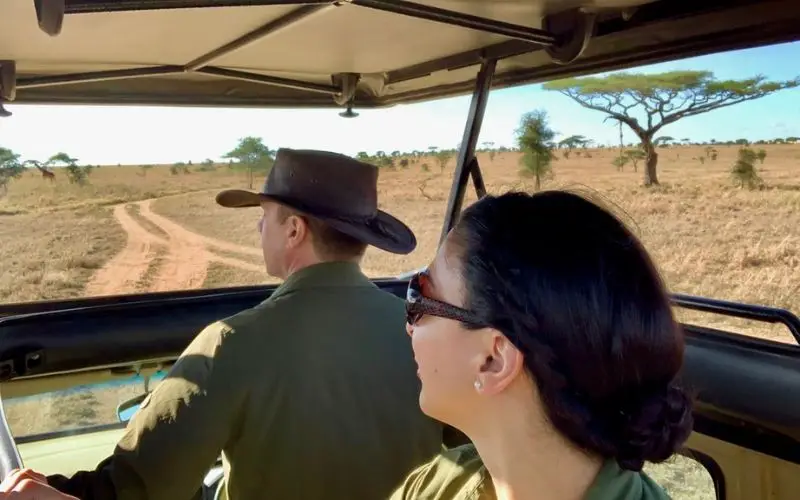

what to wear on safari in kenya and Tanzania
Best Safari Packing List Guide on What to Wear on Safari
What to wear on a safari game drive
When planning your African safari, it’s important to consider the best time to visit each region. The dry season from June to October is generally considered the best time for game viewing as animals congregate around water sources. However, some regions have unique seasons that offer a different kind of experience.
- Best Long-sleeved Shirt: Columbia Men’s and Women’s PFG Tamiami II Long-sleeve Shirt at Columbia
- Best Short-sleeved Shirt: L.L. Bean Men’s and Women’s Tropicwear Shirt, Short-sleeve at L.L. Bean
- Best Pants: REI Co-op Men’s and Women’s Sahara Convertible Pants at REI
- Best Warm Layer: Patagonia Men’s and Women’s Better Sweater Fleece Jacket at REI
- Best Rain Jacket: Marmot Men’s and Women’s Precip Waterproof Rain Jacket
Some Clothing Guide while on Safari in Africa:-
- Dress in a relaxed manner. You must be comfortable with your safari experience. Pack light clothing. Wearing cotton is great for safari.
- Make sure you’re protected at night. Pack a few long-sleeved shirts (depending on the duration of your trip) and slacks to keep warm on your nighttime game drives.
- On game drives, you’ll need a jacket and sa carf with you because temperatures drop quickly once the sun goes down in the evening.
- Pack a swimsuit and some casual clothing for around camp.
- It is not necessary to bring heavy hiking boots with you on this trip. Walking in hiking boots would not only be uncomfortable in the heat, but they are also cumbersome to transport. Any pair of robust closed-toe shoes will suffice in this situation.
- Make use of the laundry service. Our camps provide laundry services, although they do not wash undergarments. Clothing that is simple to clean is recommended.
- Pack a hat. You will need protection from the sun. It can get extremely hot in Africa. You need a durable hat.
- Note: It is illegal to wear Camouflage in Tanzania, so stick to your one-toned khaki clothing

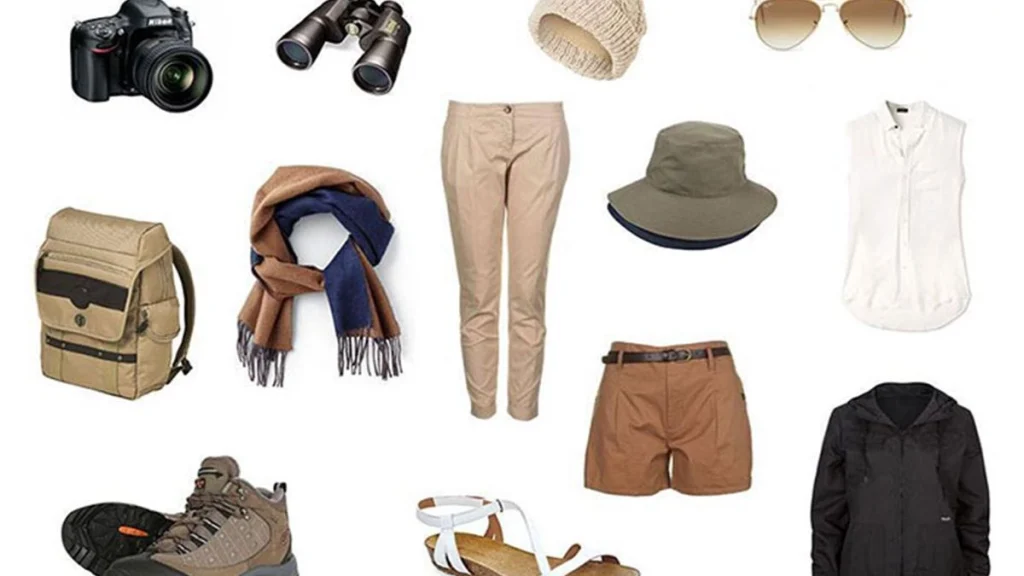

What Ladies should Pack for An African Safari
safari dress code for women - Ladies Safari Packing List
- 3 pairs of light cotton pants or pants that convert to shorts, or 3 pairs of light cotton pants and 1-2 pairs of shorts
- 1 pair of long cotton pants suitable for walking in the bush
- 1 pair of jeans or other casual long pants for the evening
- 3 short sleeve shirts
- 2 long-sleeve shirts (styles with tabbed, rollable sleeves are most versatile)
- 3 cotton t-shirts
- 1 lightweight jacket or windbreaker
- 1 safari vest for camera equipment (optional). We really like this one by ExOfficio for all of its interior pockets.
- Raincoat (Optional)
- 1 pair of lightweight hiking or walking shoes. We’re big fans of shoes like these Merrell sneakers and New Balance trail running shoes for how lightweight they are and how well they pack. In most cases, they can pull double duty as hiking/walking shoes, and casual shoes for the evening so you can save space in your luggage.
- 1 pair of comfortable shoes for the evening
- 1 pair of flip-flops or sandals for use in your room, at the spa, or around the pool
- 10 pairs of socks
- 10 pairs of undergarments
- 1 wide-brimmed hat, especially to wear in safari vehicles while driving in the parks, as the tops are left open for game viewing and photography
- 1 swimsuit
- 1 bandana for dust and/or cooling
- sunglasses with UV protection

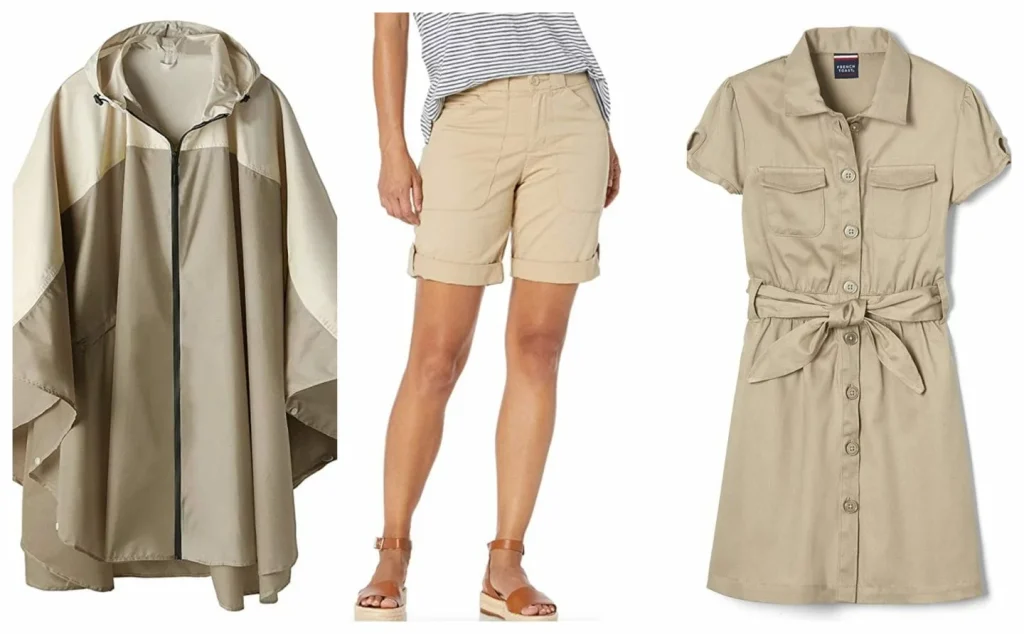
What Men should Pack for An African Safari
safari dress code for Men - Men Safari Packing List
- 3 pairs of light cotton pants or pants that convert to shorts
- 1 pair of long cotton pants suitable for walking in the bush
- 1 pair of jeans or other casual long pants for the evening
- 3 short sleeve shirts
- 2 long sleeve shirts
- 3 cotton t-shirts
- 1 pair of lightweight hiking or walking shoes. In most cases, shoes like these Merrell sneakers will be sufficient and can pull double duty as hiking/walking shoes, and casual shoes for the evening so you can save space in your luggage. We’re also big fans of New Balance trail running shoes for how lightweight they are and how well they pack. In general, you will not need heavy footwear unless you plan to do a great deal of walking.
- 1 pair of comfortable shoes for the evening
- 1 pair of flip-flops or sandals for use in your room, at the spa, or around the pool
- 4 – 6 pairs of socks
- 6 pairs of undergarments
- 1 wide-brimmed hat, especially to wear in safari vehicles while driving in the parks, as the tops are left open for game viewing and photography. This one packs nicely and resumes its shape!
- 1 swimsuit
- 1 bandana for dust and/or cooling
- 1 lightweight jacket or windbreaker
- sunglasses with UV protection

What Documents you should Pack for a Safari
Important Documents not to leave when going for an African Safari
Documents You Must Pack for Safari
Losing documents is a very common occurrence, especially while traveling. As a result, packing the necessary documents safely should be your priority before packing the rest of your luggage.
- A passport that has all of the necessary visas for every nation that your safari will visit or pass through.
- A small amount of cash, bank cards, and/or traveler’s checks are recommended. These days, you can also utilize e-wallet apps to avoid lugging around multiple credit cards and cash.
- Air tickets and travel vouchers for any pre-arranged organized safaris that have been purchased.
- Where necessary, vaccination certificates (yellow fever, mumps, etc.) will be provided. Some immunizations must be administered many weeks in advance (see Vaccinations needed for your African Safari).
- Medical treatment may include malaria prevention medications (see Malaria Made Simple) as well as any personal medications (also take your prescription in case of an emergency-your medication gets lost, wet, eaten by a baboon etc).
- The specifics of your travel insurance policy Your policy number, as well as the contact information for claims and emergencies, will be provided.
- Prepare a copy of all of your important documents, including your airline tickets, travel insurance policy, immunization records, and records of prescriptions and prescriptions.


Why Book Your African Safaris With Wildebeest Sightings.
Book Your African Safari Holiday with Wildebeest Sightings
Wildebeest Sightings are experts in following and tracking wildebeest movements from Tanzania to Kenya. As they move, we locate and track their current location. We understand their movements in detail, with updates and current locations shared on our herdtracker app.
We are professionals in luxury safaris in Kenya and Tanzania. We offer authentic, well-customised and planned safaris across the Serengeti and the Masai Mara. We have partnered with some of the best wildebeest migration camps to bring you close to the real actions.
Safari Experts
Our Experts have broad, wide, and deep knowledge about wildebeest migration in Kenya and Tanzania. We follow and track the wildebeests, and hence, we have close knowledge of where and when to see them.
Financial Protection
We are regulated by the government of Kenya through the Tourism Regulatory Authority. We therefore guarantee secure and safe booking through Wildebeest Sightings.
Proffessional Guides
We have knowledgeable and professional safari guides, ready to take care of you while on safari. From flora and fauna to cultural immersions, they understand all the nitty gritties to make sure your trip is seamless.
Impactful Journeys
At Wildebeest Sightings, its not not only about the wildebeest migration, but we also work closely with impactful initiatives to support and promote sustainable tourism in East Africa.
Who We Work With
our Every Day Partners helping us to bring you latest wildebeest updates
Below are our proud partners and colleagues who help us get the best wildebeest sightings during the wildebeest migration from the Serengeti to the Masai Mara. We appreciate everyone who supports our efforts and brings knowledge to our readers and visitors.